Climate-Friendly Food with Flavor: Spices and Cooking as the Key

Climate-Friendly Food with Flavor: Spices and Cooking as the Key
Eating in a climate-friendly way isn’t just about choosing the right ingredients—it’s also about how we cook and season them. Many Americans associate sustainable eating with bland salads or giving up their favorite foods, but it doesn’t have to be that way. With the right spices, cooking methods, and a bit of creativity, you can make meals that are both good for the planet and bursting with flavor.
Flavor as the Driver of Green Eating
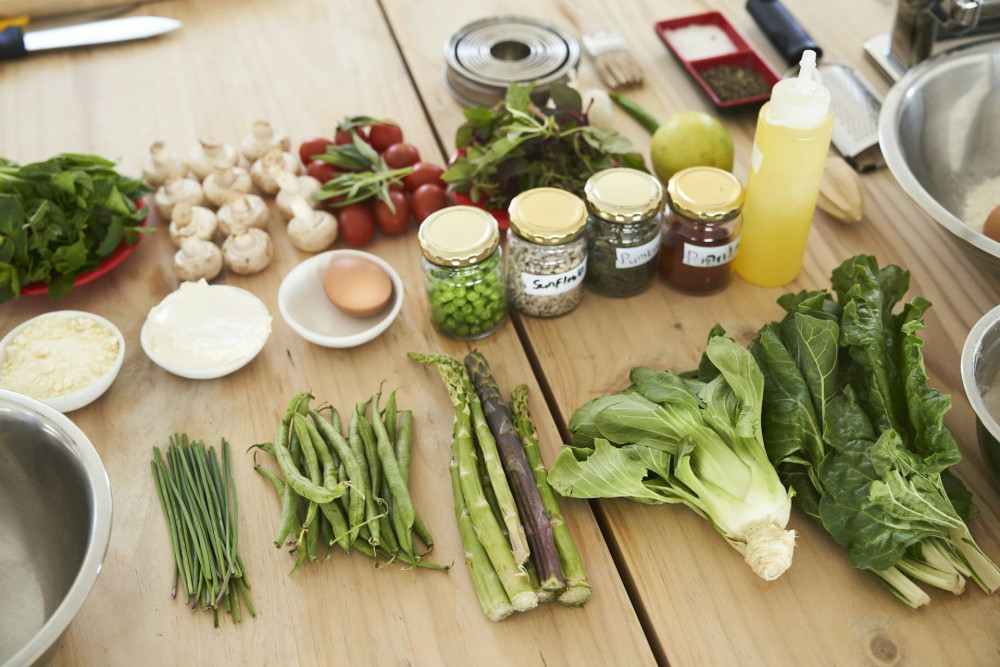
One of the biggest challenges in shifting toward a more plant-based diet is habit. We’re used to meat providing depth and umami, but those same qualities can come from other sources. Spices, herbs, and fermented ingredients can give vegetables and legumes the same richness and complexity.
- Toasted spices like cumin, coriander, and smoked paprika add warmth and depth.
- Fresh herbs such as parsley, cilantro, and basil bring brightness and balance.
- Acidity from lemon, vinegar, or pickled vegetables lifts flavors and keeps dishes lively.
- Umami can come from mushrooms, soy sauce, miso, or sun-dried tomatoes.
When flavor takes center stage, choosing climate-friendly options becomes easier—not because you have to, but because you want to.
Læs også:

Cooking Methods That Make a Difference
How you cook affects both the carbon footprint and the taste of your food. Some methods highlight natural sweetness and texture, while others use more energy.
- Roasting and baking can be energy-intensive, but if you cook multiple dishes at once, you make the most of the heat.
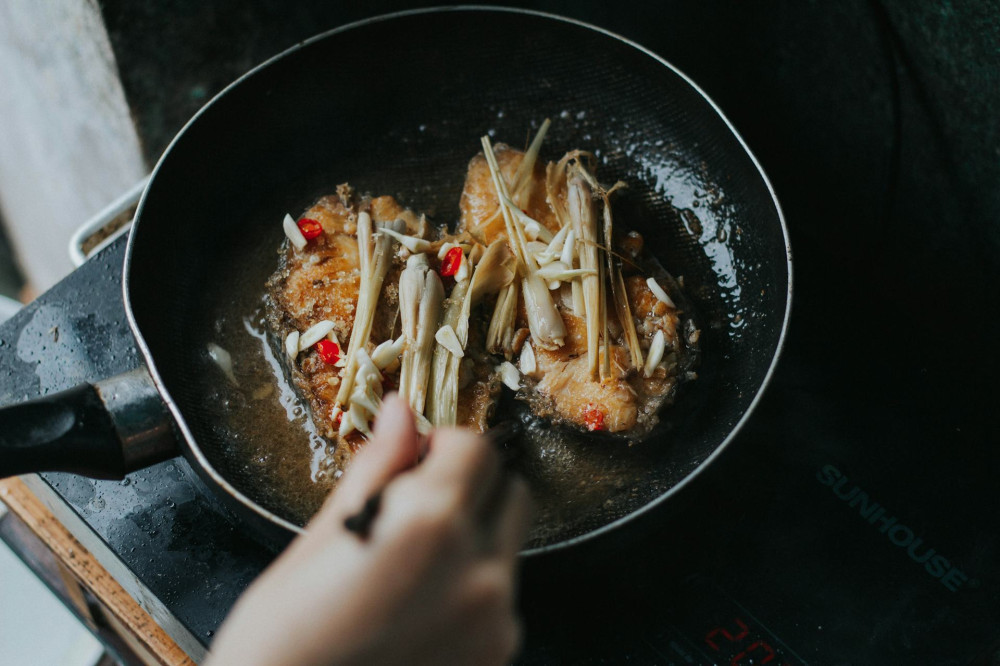
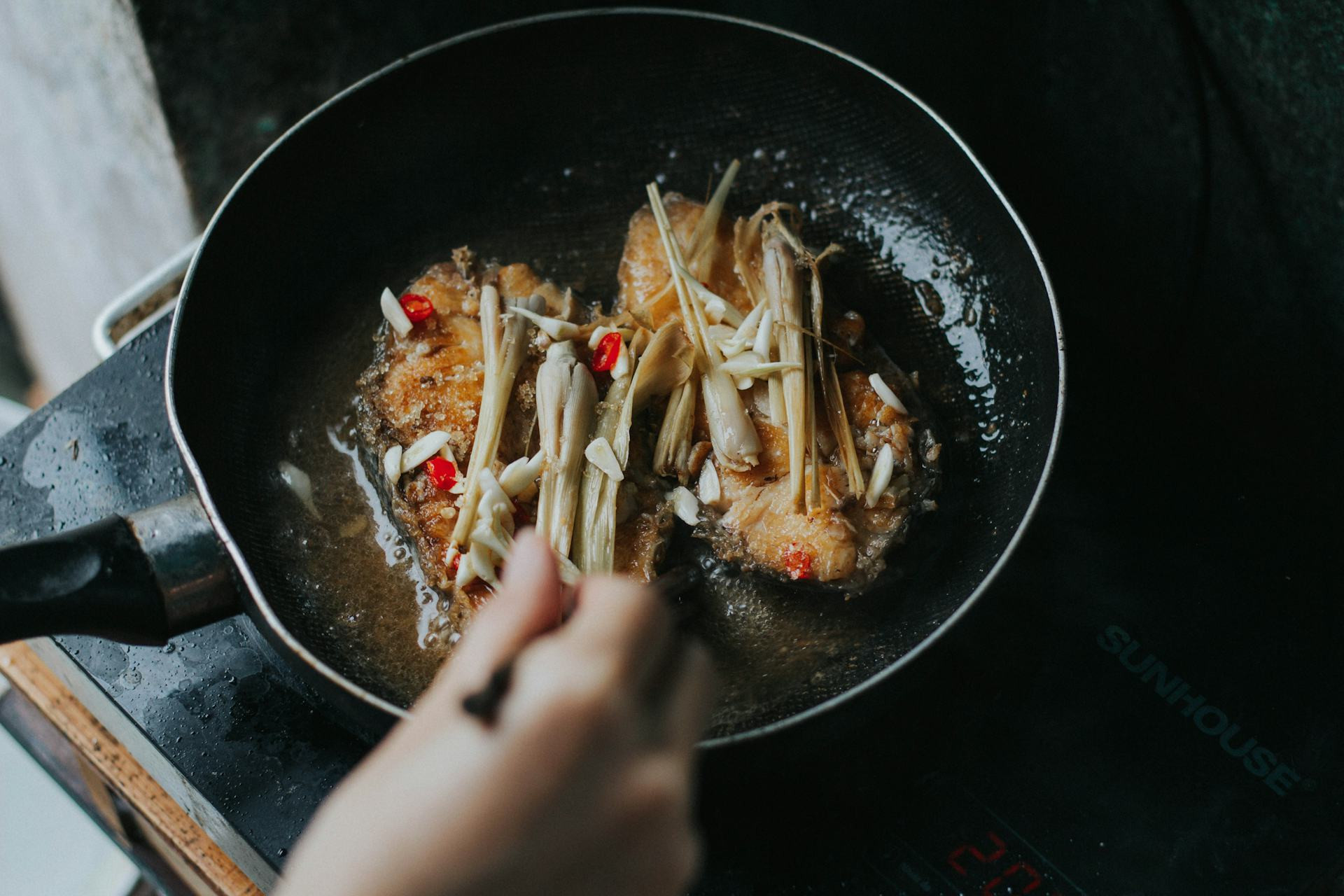
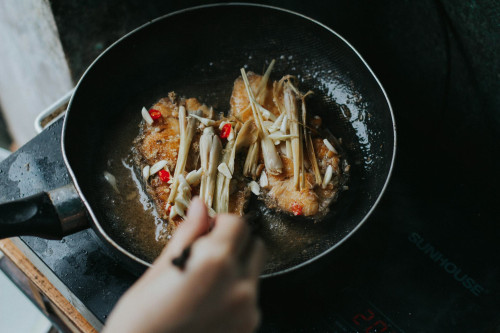
- Steaming and stir-frying preserve nutrients and require less cooking time.
- Pressure cooking is perfect for beans and lentils—it saves both time and energy.
- Fermenting and pickling extend shelf life and add new layers of flavor without extra energy use.
By thinking about how you cook, you can reduce food waste and get more out of your ingredients.
Spices as Climate-Friendly Luxury
Spices may be small in quantity, but they have a big impact. They can transform simple ingredients like lentils, cabbage, or root vegetables into dishes that feel exciting and satisfying. A sprinkle of garam masala can bring warmth and comfort, while chili and lime add brightness and energy.
Even though some spices are imported, their carbon footprint is minimal compared to animal products. That means you can use them freely to bring variety and joy to your everyday meals.
Making Green Choices Easy
Eating more sustainably doesn’t have to be a major lifestyle overhaul. Start with small, manageable changes:
- Cut back on meat a few days a week and use beans or lentils instead.
- Get creative with leftovers—a vegetable stew can become filling for tacos or wraps.
- Mix your own spice blends in bulk so it’s easy to add flavor to weeknight meals.
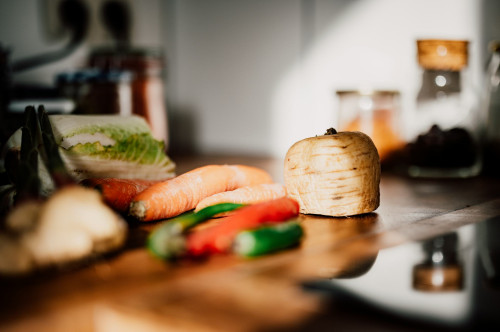
- Experiment with textures—crispy chickpeas, roasted carrots, or creamy lentil dips.
When plant-based eating becomes a natural part of your routine, it’s easier to stick with it.
Flavor and Sustainability Go Hand in Hand
Climate-friendly food isn’t about sacrifice—it’s about discovering new ways to enjoy what you eat. By using spices and cooking techniques as your tools, you can create meals that satisfy both your taste buds and your conscience. It’s not just good for the planet—it’s a delicious way to enrich your own food culture.
Læs også: