Conscious Clothing Choices: Small Decisions, Big Impact


Conscious Clothing Choices: Small Decisions, Big Impact
Clothing is an essential part of our daily lives – it helps us express who we are, stay comfortable, and adapt to the weather. But behind every shirt, pair of jeans, or jacket lies a story of resources, labor, and transportation. In a world where the fashion industry contributes significantly to global carbon emissions, our choices as consumers truly matter. Conscious clothing choices aren’t about giving up style – they’re about choosing with intention.
Why Clothing Choices Matter
The fashion industry is one of the most resource-intensive industries on the planet. Cotton production requires vast amounts of water, synthetic fabrics release microplastics into our oceans, and global shipping adds to greenhouse gas emissions. Meanwhile, millions of tons of clothing end up in landfills each year, often after being worn only a handful of times.
By rethinking how we buy, wear, and care for our clothes, we can reduce our environmental footprint. It’s not about rejecting fashion – it’s about making it more sustainable.
Buy Less, Choose Better
One of the most effective ways to make a difference is to buy fewer items, but of higher quality. Well-made clothing lasts longer, both in durability and in timeless style. Before making a purchase, ask yourself:
- Do I really need this?
- Does it complement what I already own?
- Is it made from durable, comfortable materials?
Choosing classic cuts and neutral colors can help you build a versatile wardrobe that stands the test of time – and trends.
Extend the Life of What You Own
The most sustainable clothing is the clothing you already have. Taking good care of your garments can dramatically extend their lifespan. Wash only when necessary, use cold water, and air-dry instead of using a dryer. Simple repairs – sewing on a button or patching a small tear – can make a big difference.
If you’ve fallen out of love with a piece, consider swapping it with friends, selling it online, or donating it to a local charity. Giving clothes a second life keeps them out of landfills and supports a circular economy.
Choose Sustainable Materials and Brands
More brands are now embracing sustainable materials such as organic cotton, hemp, Tencel, and recycled polyester. Look for certifications like GOTS, Fair Trade Certified, or OEKO-TEX, which ensure that production meets environmental and ethical standards.
Supporting local designers or small U.S.-based brands that prioritize transparency and craftsmanship can also make a meaningful impact. These businesses often focus on quality over quantity and help strengthen local economies.
Læs også:



Rediscover the Joy of Secondhand
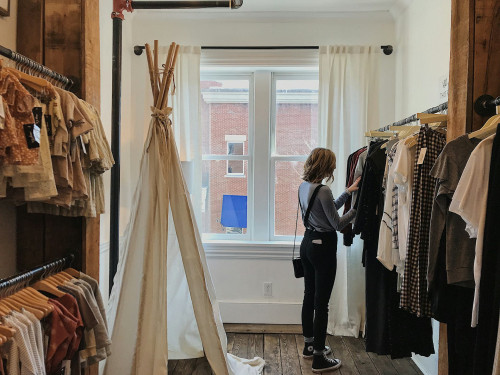
Thrift and vintage shopping have become mainstream – and for good reason. Buying secondhand saves resources, reduces waste, and often leads to unique finds that tell a story. Online resale platforms and local thrift stores make it easier than ever to shop sustainably without sacrificing style.
By choosing pre-loved clothing, you help slow down overproduction and support a more circular fashion system.
Think Long-Term – and Be Kind to Yourself
Conscious clothing choices aren’t about perfection; they’re about progress. Maybe you start by skipping one impulse purchase a month, choosing sustainable fabrics, or repairing instead of replacing. Every small step counts.
When we, as consumers, shift our habits, we send a powerful message to the fashion industry: we want responsibility, not just trends. Small decisions can create big change – for the planet, for the people who make our clothes, and for our own sense of purpose in what we wear.
Læs også: