Engage Children Positively in the Family’s Health

Engage Children Positively in the Family’s Health
Family health is about more than eating vegetables and going for walks—it’s about building habits that feel natural, fun, and meaningful for everyone. When children become active participants in the family’s well-being, they’re more likely to carry those healthy habits into adulthood. Here are some ways to engage your kids positively—without making it feel like a chore.
Make Health a Shared Experience
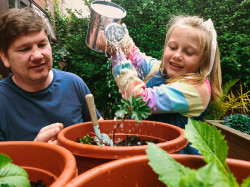
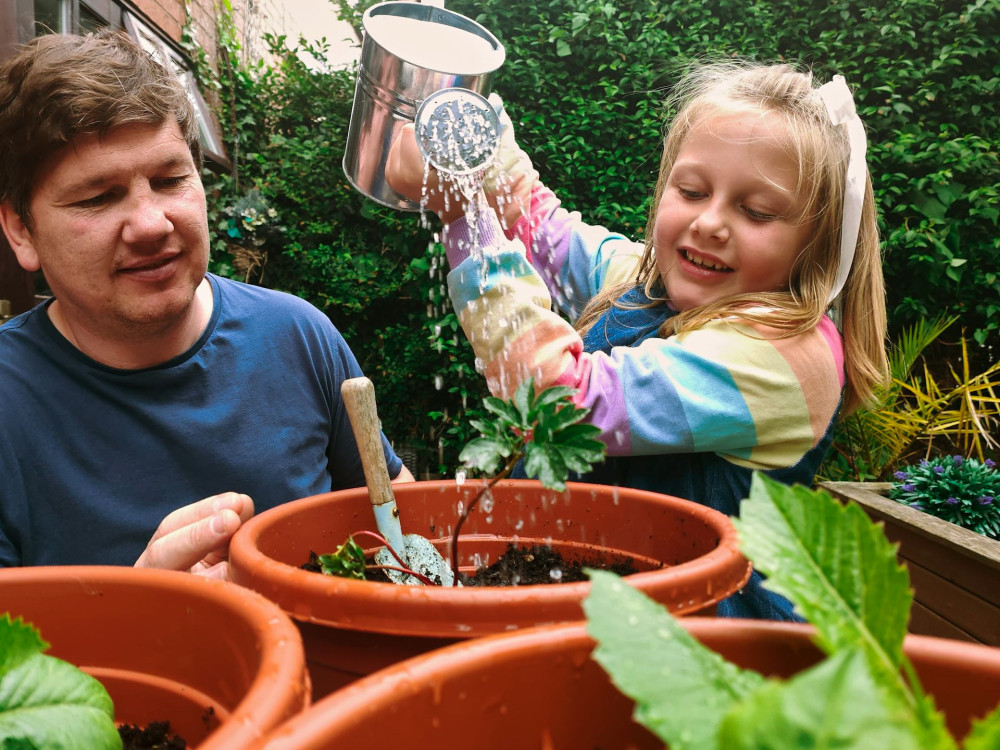
Children learn best by doing. Instead of simply talking about what’s “healthy” or “unhealthy,” invite them to be part of the process. Let them help plan meals, shop for groceries, or cook together. When kids get to pick out produce, stir the pot, or set the table, they feel ownership—and that makes them more excited to eat what they helped create.
Younger children can rinse fruit, mix batter, or decorate dishes, while older kids can take charge of a simple recipe. The goal is to make it a shared activity where everyone has fun and learns together.
Læs også:
Turn Movement Into Play
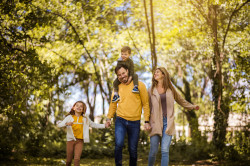
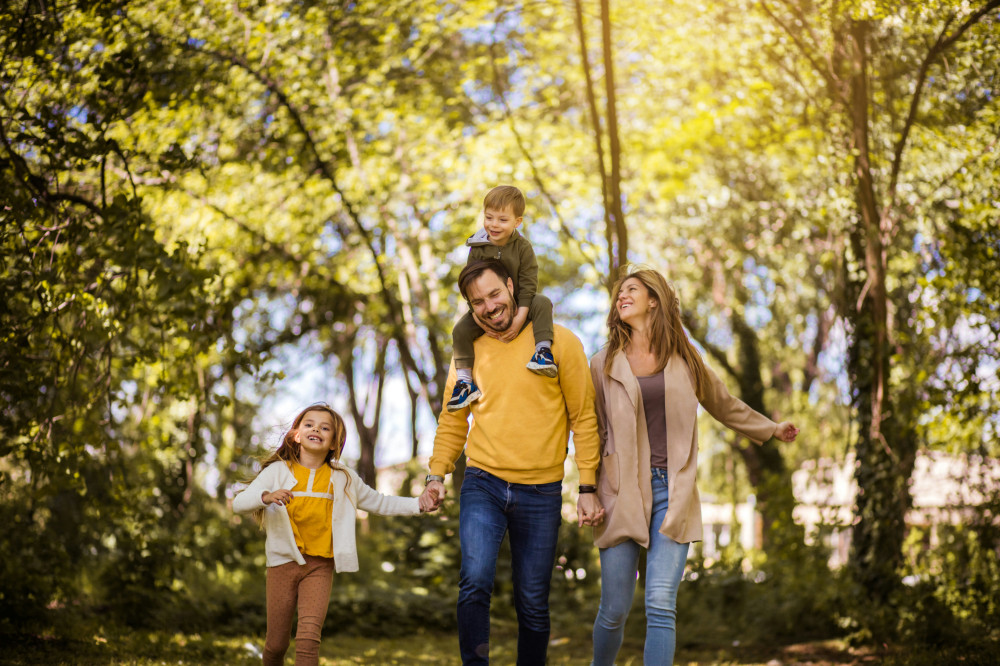
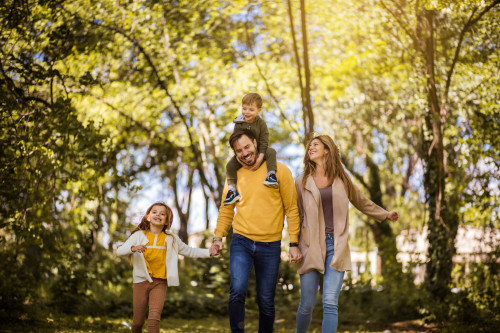
Exercise doesn’t have to mean organized sports or gym time. For kids, movement is most meaningful when it’s playful. Build small bursts of activity into your day: walk or bike to school, have a backyard scavenger hunt, dance in the living room, or bring a ball to the park.
When parents join in, it becomes a family experience rather than a task. Let your children suggest activities—they might prefer building an obstacle course to taking a walk. The key is to connect movement with joy and togetherness.
Talk About Health in a Positive Way
Children quickly pick up on how adults talk about food, bodies, and exercise. If health is framed around restriction or guilt, it can create unnecessary pressure. Instead, focus on how nutritious food and movement make the body feel strong, energized, and ready for adventure.
Avoid labeling foods as “good” or “bad.” Talk about balance—how our bodies need a mix of vegetables, grains, fruits, and the occasional treat. This helps children understand that health is about overall well-being, not perfection.
Build Routines That Stick
Kids thrive on predictability, and consistent routines make healthy habits easier to maintain. Try setting regular mealtimes, a weekly family outing, or a night when everyone cooks together. Small, repeated actions soon become habits—and habits shape lifestyle.
Be realistic, too. Some days will be hectic, and that’s okay. The goal isn’t perfection but finding a rhythm that fits your family’s life.
Give Kids Responsibility and a Voice
When children have a say, their motivation grows. Let them choose a new vegetable to try, plan a weekend activity, or help set the table. Older kids might prepare a healthy snack for school or suggest a family bike ride.
By giving them responsibility, you show that their opinions matter—boosting both their confidence and their engagement in the family’s health.
Remember Mental and Emotional Well-Being
Health isn’t just physical—it’s emotional, too. Make space for calm, connection, and conversation. Eat together without screens, talk about the day, and check in on how everyone is feeling. A warm, supportive home environment is a cornerstone of a healthy life.
Small Steps, Big Impact
Engaging children in the family’s health doesn’t require major changes. It’s about taking small steps—together. When health becomes a natural, enjoyable part of daily life, and kids see it as something positive and shared, you’re building a foundation for lifelong well-being.
Læs også: