New Games on the Playground: Unleash the Kids’ Creativity

New Games on the Playground: Unleash the Kids’ Creativity
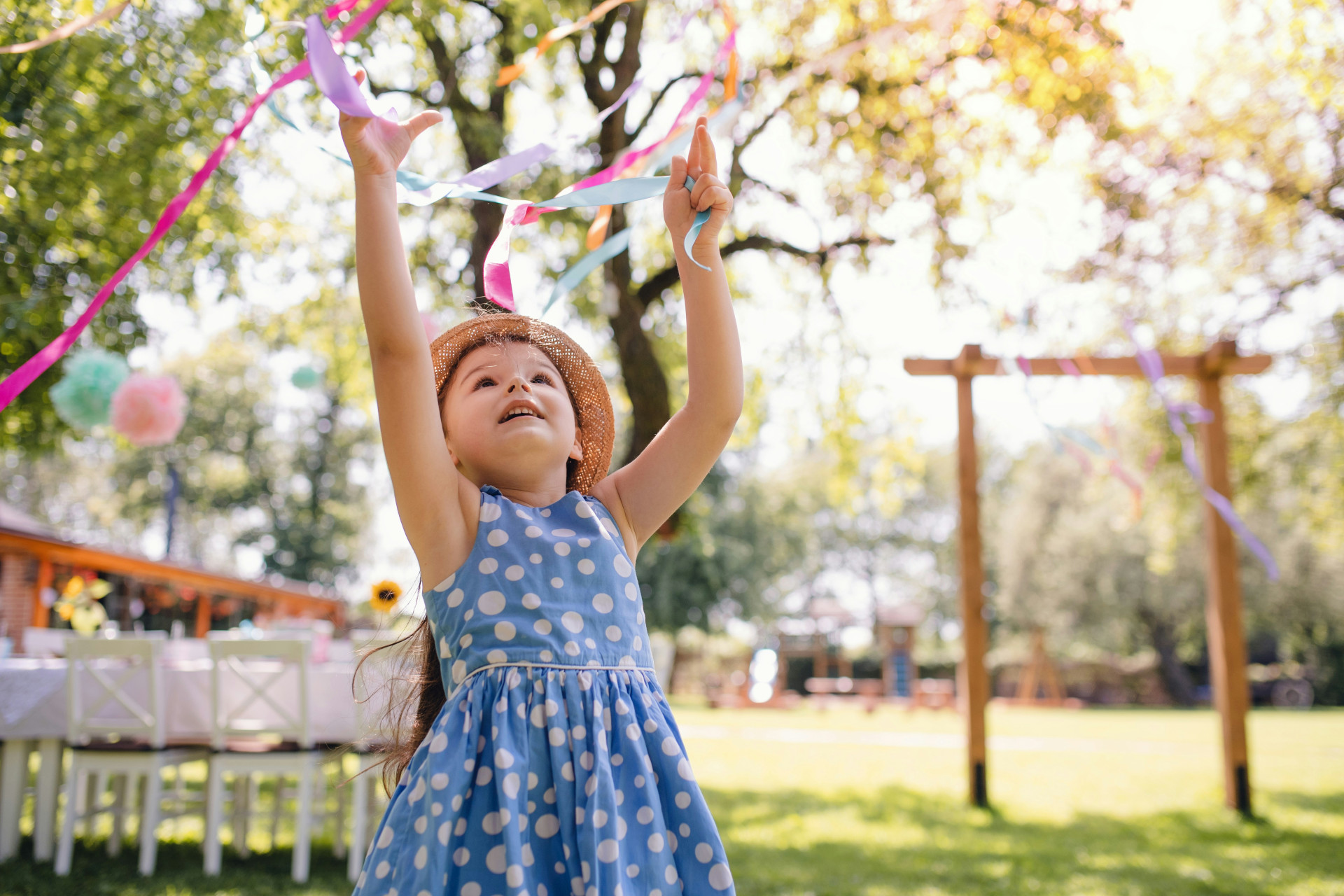
The playground is one of the few places where kids can truly be free—no schedules, no homework, no strict rules. It’s where imagination takes the lead, friendships grow, and problem-solving happens naturally. But too often, playgrounds are used the same way every day: the swings swing, the slide slides, and the sandbox hosts the same castles as yesterday. What if we gave kids more freedom and fresh ideas for play? Here’s how you can help unleash their creativity on the playground.
Play Without Rules – and Let Imagination Lead
Children have an incredible ability to invent their own games when given the chance. Instead of telling them how to use the equipment, try asking open-ended questions: What could this climbing frame be if it were a spaceship? or How can you get to the swings without touching the ground?
When kids make up their own rules, they develop imagination, teamwork, and problem-solving skills. The goal isn’t to create the “right” game—it’s to let play evolve in unexpected directions.
Nature as a Play Partner
Even in a modern playground, nature is a wonderful companion. Leaves, sticks, rocks, and dirt can become magic potions, treasure maps, or building materials. A pile of branches can turn into a fort, and a tree can become a castle tower to defend from invisible dragons.
By using natural materials, children learn to engage with their surroundings creatively and sustainably. It doesn’t take new equipment—just curiosity and time to explore.
Team Games That Build Connection
The playground is also a social space where kids practice being part of a group. Cooperative games help them understand each other and find solutions together. Try these ideas:
- Build an obstacle course using what’s already there. Let the kids set the rules and challenge themselves.
- Treasure hunt – hide small objects or clues around the playground and let the children solve them as a team.
- Story play – one child starts a story, and the others continue it. Use the playground’s features as props or settings in the tale.
These games don’t require much planning, but they spark engagement and strengthen communication and collaboration.
Læs også:

Give Kids Ownership of the Playground
When children help decide how the playground is used, they feel more connected to it. This could mean painting rocks, planting flowers, or building temporary structures from recycled materials.
Some schools and community centers have even invited kids to design their own “mini-playgrounds” in a corner of the yard. It gives them a sense of ownership—and often leads to creative play ideas adults would never have imagined.
Learning Through Play – Without It Feeling Like School
Free play is full of hidden learning. Kids practice motor skills, language, social awareness, and creative thinking. Research shows that children who play without strict boundaries often become better problem-solvers and more innovative thinkers later in life.
Adults can support this by being curious and engaged—without taking over. Ask questions, listen, and join in when invited. It shows kids that their ideas matter.
A Playground Full of Possibilities
A playground doesn’t need new equipment to be exciting. It’s about seeing the possibilities in what’s already there—and giving kids the freedom to explore, experiment, and create. When we let go of rigid rules, we open the door to a world of imagination, connection, and joy.
So next time you head to the playground, let the kids take the lead. You might discover that the old slide has become a volcano, and the sandbox hides a treasure you never noticed before.
Læs også: