Year-Round Garden Lighting – Plan Your Outdoor Illumination Wisely

Year-Round Garden Lighting – Plan Your Outdoor Illumination Wisely
Outdoor lighting is about more than just finding your way in the dark. It’s a way to create atmosphere, safety, and life in your yard—no matter the season. With thoughtful planning, you can design an outdoor space that’s both beautiful and functional, from long summer evenings to the darker winter months. Here’s how to plan your garden lighting wisely and make the most of it all year round.
Think in Zones and Functions
A good lighting plan starts with how you use your outdoor space. Divide your yard into zones—such as entryway, patio, pathways, garden beds, and cozy corners. Each area serves a different purpose and therefore needs a different type of light.
- Entryway and driveway: Prioritize safety and visibility. Choose fixtures that provide clear, even light without glare, so you can move around easily.
- Patio and seating areas: Focus on ambiance. Use warm, dimmable light—string lights, wall sconces, or lanterns work beautifully here.
- Pathways and steps: Install low-level lighting that guides the way without blinding. In-ground lights or short bollards are great options.
- Garden beds and trees: Use spotlights to highlight shapes and textures. A single uplight on a tree can create a dramatic effect.
By thinking in zones, you avoid over-lighting and instead achieve a balanced, layered look.
Choose the Right Light Source
LEDs are the go-to choice for outdoor lighting today. They’re energy-efficient, long-lasting, and perform well in cold weather. They also come in a range of color temperatures, allowing you to choose between warm and cool tones depending on the mood you want.
- Warm white (2700–3000 K): Creates a cozy, inviting atmosphere—perfect for patios and seating areas.
- Neutral white (4000 K): Works well for functional areas like driveways and walkways.
- Cool white (5000 K and above): Ideal for security lighting, but use sparingly as it can feel harsh.
You might also consider solar-powered lights. They’re easy to install and eco-friendly, though they typically provide softer light and shorter run times than wired fixtures.
Lighting Through the Seasons
Your outdoor lighting needs change with the seasons. Summer calls for mood lighting, while winter demands more functional illumination.
- Spring: Highlight new growth and early blooms with small spotlights in flower beds.
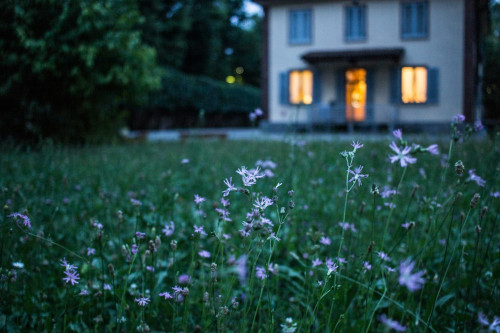
- Summer: Create a relaxed vibe with soft, warm lighting, string lights, and lanterns. Avoid overly bright fixtures so you can still enjoy the night sky.
- Fall: As days shorten, make sure pathways and entrances are well lit. Motion sensors can help lights turn on automatically when needed.
- Winter: Use light to bring life to your yard even when plants are dormant. Uplight evergreens or decorative features like sculptures and trees.
Adjusting your lighting with the seasons keeps your garden feeling alive all year.
Be Mindful of the Environment and Neighbors
Outdoor lighting should enhance safety and atmosphere—not cause light pollution. Choose fixtures that direct light downward and avoid shining into neighbors’ windows or up into the sky. Use motion sensors and timers so lights are only on when necessary.
This approach saves energy and preserves a more natural nighttime environment.
Safety and Installation
When working with electricity outdoors, always use fixtures and cables rated for exterior use (look for UL-listed or IP44 and higher). If you’re running permanent wiring, hire a licensed electrician. Smaller projects—like solar lights or battery-powered string lights—are easy to handle yourself.
Plan your cable routes before digging, and mark where wires are buried to make future changes easier.
Create Atmosphere with Layers of Light
The most inviting outdoor spaces use a mix of lighting types. Combine general lighting, accent lighting, and decorative lighting to add depth and character. This layered approach also makes your garden look beautiful from inside your home.
A good tip: step outside after dark and observe how the light falls. Small adjustments in direction or brightness can make a big difference.
Læs også:


A Garden That Shines Thoughtfully
Outdoor lighting isn’t about having the brightest yard—it’s about using light wisely. With careful planning, you can create an outdoor space that’s beautiful, safe, and sustainable all year long.
Læs også: