Creative Expressions: How Children Learn Through Art and Media


Creative Expressions: How Children Learn Through Art and Media
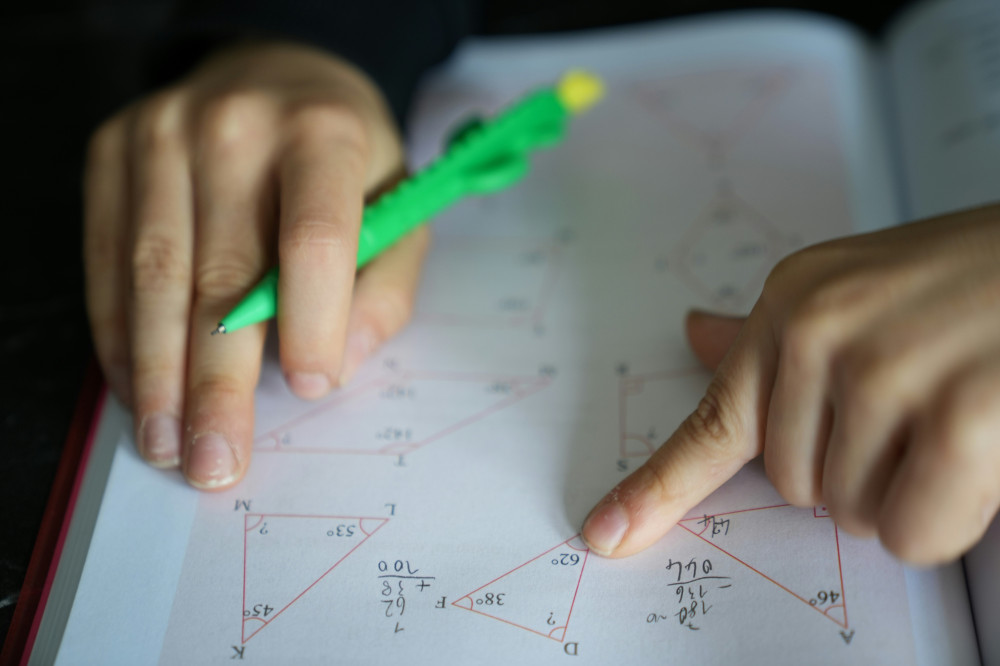
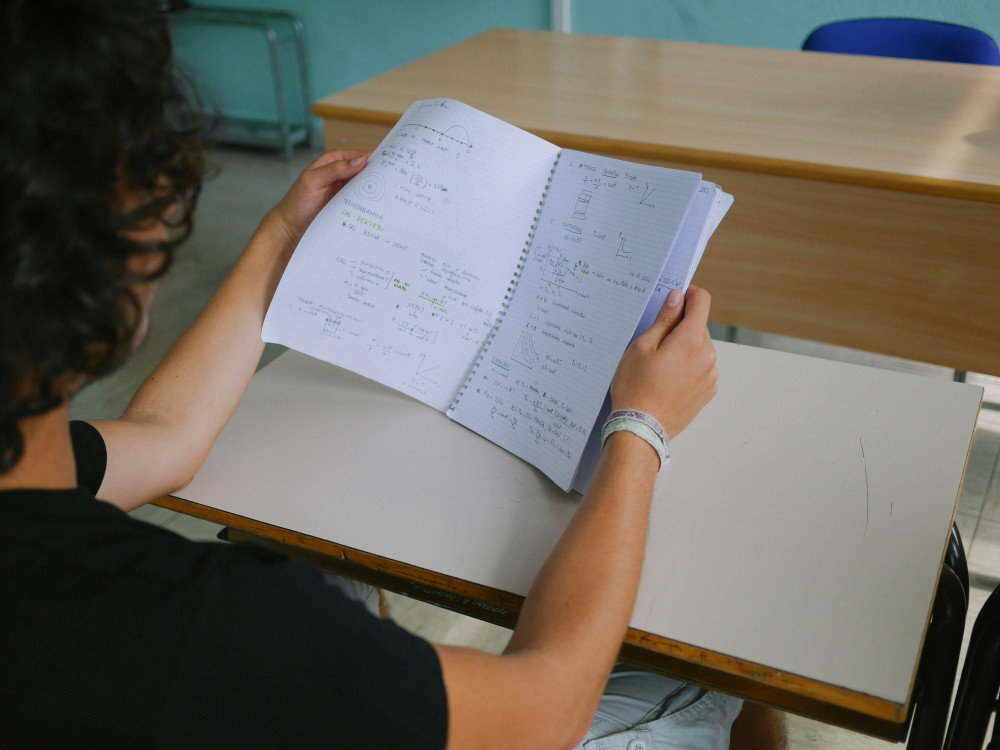
When children draw, sing, film, or tell stories, they are doing much more than simply playing with paint or a camera. Art and media give them ways to explore the world, express emotions, and develop essential skills such as imagination, collaboration, and critical thinking. In a time when screens and digital platforms are everywhere, creative expression can help children find focus, meaning, and joy in learning. Let’s take a closer look at how children learn through art and media—and how adults can support that process.
Creativity as Learning in Action
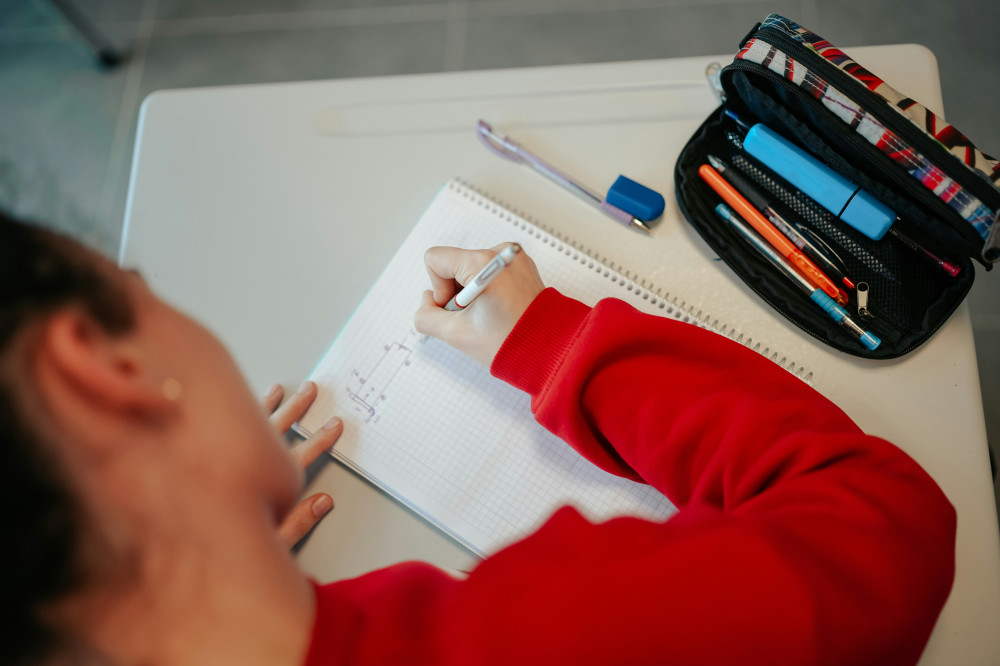
Creativity isn’t just about making something beautiful; it’s about thinking differently and finding new solutions. When children paint, build, or make short videos, they experiment with ideas and materials. They learn to plan, take risks, and handle mistakes—key elements of learning in any subject.
A child creating a collage practices choosing, combining, and evaluating. Another writing a song learns to organize thoughts and express feelings. Through creative processes, learning becomes hands-on and engaging—often more motivating than traditional instruction.
Art as a Language of Emotions
For many children, it’s easier to show than to explain how they feel. Art can serve as a language when words fall short. When a child draws an experience or shapes something out of clay, they are also processing thoughts and emotions.
Teachers, counselors, and caregivers often use creative activities to support children’s emotional well-being. Art can help children work through grief, conflict, or questions of identity. It gives them a safe space to express themselves freely—without fear of being judged as right or wrong.
Media as a Modern Learning Space
Digital media open new doors for creativity. Today, children can make their own stop-motion films, edit photos, or record podcasts. These activities build both technical skills and an understanding of how media influence us.
When children create their own content, they become more aware of how stories are told and how images and sound can shape meaning. This strengthens their media literacy—an essential skill in the digital age.
But balance is key. Adults should help children distinguish between passive and active media use. The goal isn’t to avoid screens, but to use them as tools for learning and creative exploration.
Collaboration and Community Through Creative Projects
Creative activities often bring children together. When they work on a play, a film, or an art exhibit, they learn to listen, negotiate, and take responsibility. They see how their individual contributions matter to the group.
In schools and after-school programs, collaborative art projects can strengthen social bonds and build confidence. A child who struggles in traditional subjects may thrive when given the chance to express themselves creatively. These experiences celebrate diversity and different kinds of intelligence.
Læs også:


How to Support Your Child’s Creative Development
Parents and caregivers can do a lot to nurture creative learning:
- Make space for experimentation – let your child paint, build, and explore without focusing on the final product.
- Show interest – ask about what they made and what they were thinking during the process.
- Share experiences – visit museums, watch films together, or start small creative projects at home.
- Give time – creativity needs calm and focus, not quick results.
- Use media actively – make short videos, play music, or take photos together so technology becomes part of the creative process.
When children feel that their ideas are valued, their curiosity and motivation to learn grow stronger.
Creativity as a Life Skill
Learning through art and media is about more than drawing or filming—it’s about developing curiosity, courage, and independent thinking. Creativity is a life skill that helps children understand themselves and the world around them.
By giving space to creative expression—both analog and digital—we equip children with tools to learn, communicate, and make meaning. It’s an investment not only in their future learning but also in their joy of discovery and their confidence as imaginative, thoughtful individuals.
Læs også: