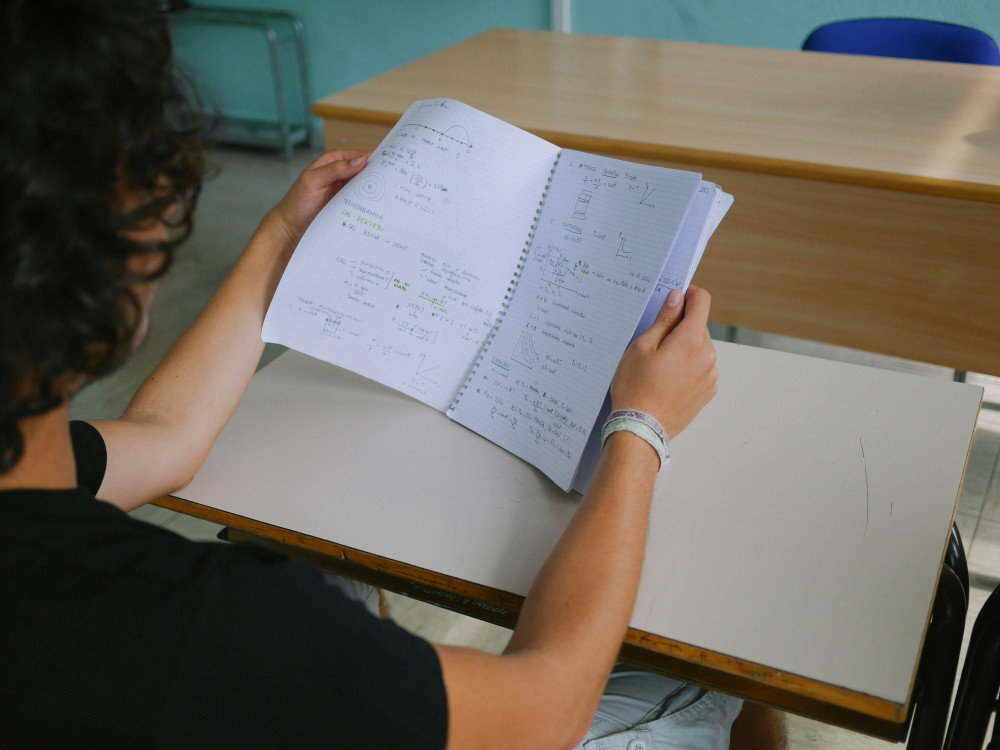
Homework with Calm and Rhythm: Routines That Strengthen Children’s Focus


Homework with Calm and Rhythm: Routines That Strengthen Children’s Focus
When it’s time for homework, many families find themselves caught between distraction, fatigue, and frustration. But with steady routines and a calm environment, homework can become a natural and positive part of the day. It’s not just about discipline—it’s about creating rhythm, predictability, and balance so children can learn and thrive.
Set Clear Homework Boundaries
Children focus best when they know what to expect. A consistent time and place for homework helps signal to the brain that “now it’s time to work.” For some families, that might be right after a snack when kids get home from school; for others, it might be after dinner. The key is consistency.
Choose a quiet spot with minimal distractions. Turn off the TV, put phones away, and make sure the space has good lighting and all the necessary supplies. When the environment feels calm and organized, it’s easier for children to settle into focus.
Include Short Breaks and Movement
Children’s attention spans are limited—especially for younger students. Short breaks help them recharge. A general rule of thumb: early elementary students can focus for about 15–20 minutes at a time, while older students can handle longer stretches.
Movement is a powerful reset for the brain. A quick walk, a few stretches, or even a short dance break can make a big difference. The goal isn’t to interrupt the rhythm but to keep energy and focus balanced.
Make Homework Manageable
Big assignments can feel overwhelming, particularly when a child is tired or unsure where to start. Help by breaking tasks into smaller, more achievable steps. Create a simple plan together: What comes first? What can wait until tomorrow? This gives children a sense of control and progress.
A checklist or timer can help them see how far they’ve come. Celebrate effort, not just results. Recognizing persistence builds confidence and motivation to keep going.
Create a Calm Atmosphere
The emotional tone around homework matters. If homework time is filled with stress or arguments, it quickly becomes something to dread. Instead, aim for a peaceful atmosphere where your child feels supported.
Soft lighting, gentle background music, or simply your quiet presence nearby can make a big difference. Some children work best independently, while others focus better when a parent is close. Observe what works best for your child and adjust accordingly.
Læs også:



Make Homework Part of the Daily Rhythm
When homework becomes a natural part of the day’s flow, resistance tends to fade. Linking homework time with something positive—like a snack, a warm drink, or a few minutes of conversation afterward—can help make it feel less like a chore and more like a routine.
It also helps to talk about why homework matters. When children understand the purpose behind their work, motivation grows. Homework isn’t just about grades—it’s about learning responsibility, planning, and perseverance, skills that reach far beyond school.
Partner with Teachers
If homework often leads to frustration or tears, it may help to talk with your child’s teacher. Sometimes the workload is too heavy, or the assignments are too challenging. Teachers and parents share the same goal: helping children learn in a way that makes sense for them.
Teachers can offer suggestions for adjusting homework routines or tailoring assignments to your child’s needs. Some children thrive with more structure; others need flexibility. The most important thing is that your child feels supported both at school and at home.
Calm and Rhythm Open the Door to Learning
When homework happens at a steady pace and within familiar routines, it rarely turns into a battle. The goal isn’t to push harder but to create a rhythm where learning can unfold naturally. With patience, structure, and small breaks, homework time can become a space for focus, growth, and confidence.
Læs også: